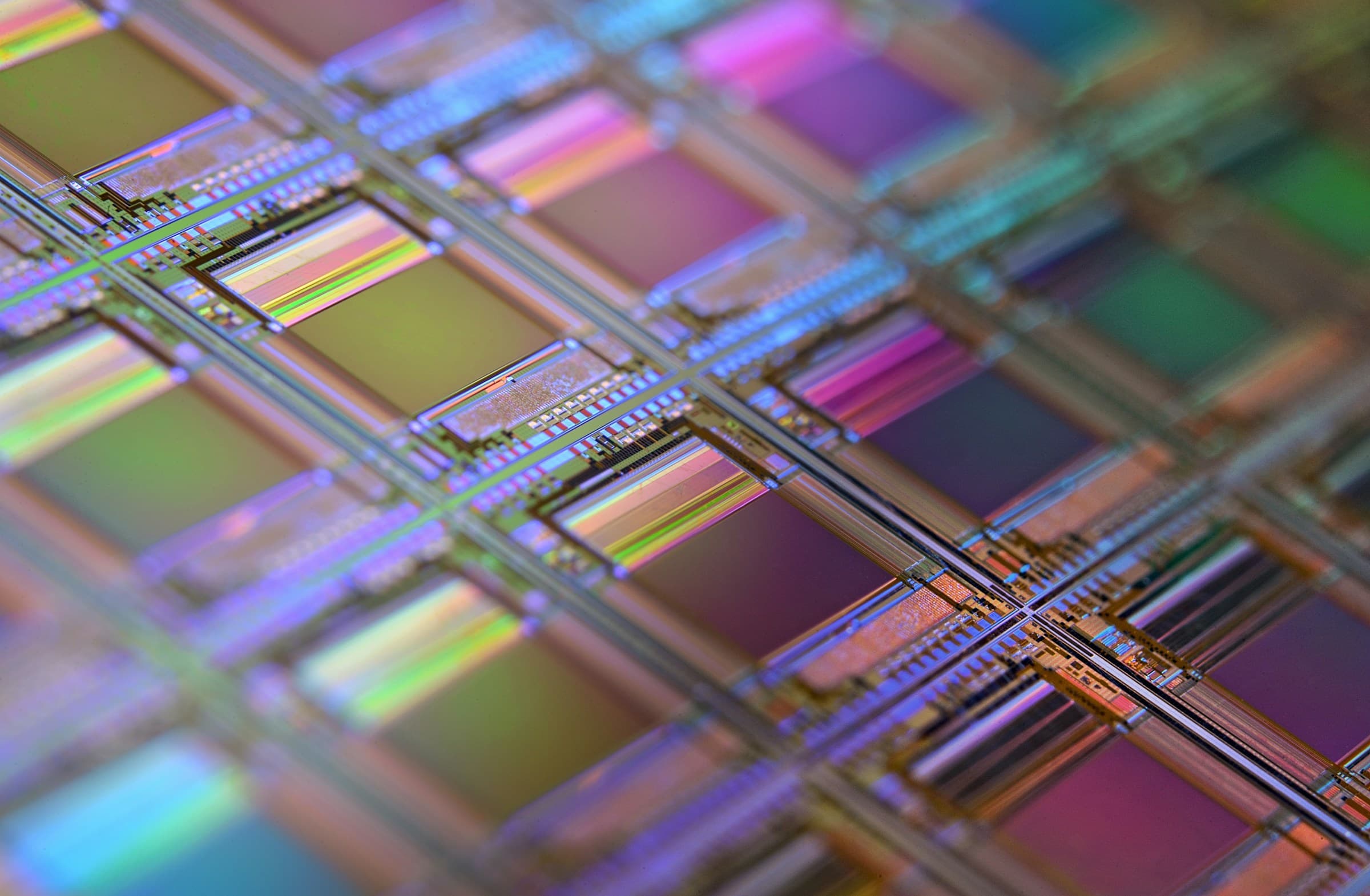
NTT paid $550M for wiring, not qubits: D-Wave's bet
D-Wave cracked the 100-qubit wiring wall that stalled the industry. NTT paid an 83% premium three months after Alan Ho left Google Quantum. Here's why this changes the million-qubit race.
Showing 12 of 166 articles

D-Wave cracked the 100-qubit wiring wall that stalled the industry. NTT paid an 83% premium three months after Alan Ho left Google Quantum. Here's why this changes the million-qubit race.

France is forcing 2.5 million public sector employees off Microsoft Teams and Zoom by December 2026. The catch: Tchap, their existing sovereign platform, has a 23% adoption rate after 5 years. Analysis of the government mandate that ignored usability, scalability, and basic economics.

CVE-2025-1054 enables arbitrary code execution on PostgreSQL 13-17. With only 3 critical CVEs in a decade, this vulnerability isn't 'just another patch'. 90% of databases are at risk, yet most companies will take weeks to patch while AWS RDS leaves a 7-14 day exposure window.

Replit Agent 2.0 broke Product Hunt with 47,000 votes in 6 hours promising full apps from a single prompt. Here's the number they don't mention: 43% of complex apps fail on first try. I'll show you the real cost, when it works, and when you'll regret using it.

Vercel v0 3.0 just shipped a feature that changes everything: production-ready SQL dashboards in 30 seconds for $2, while freelancers charge $400 for the same work. I tested it for two weeks on a real project. Here's what actually works, what breaks, and whether it's worth the hype.

Figma raised prices 100% for mandatory AI features, but 77% of users don't use them. Thousands are migrating to Penpot, the free open-source alternative that exploded on GitHub.

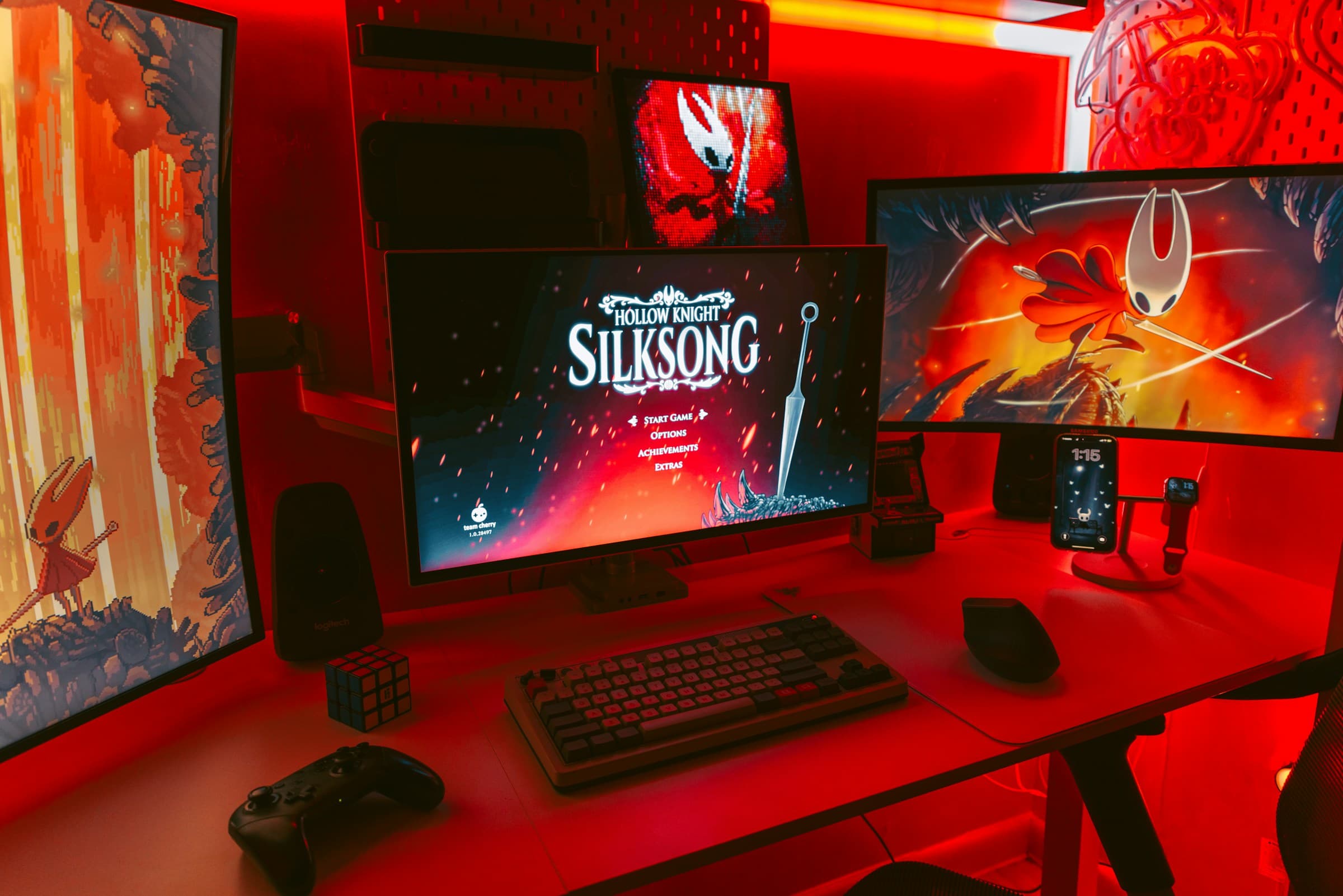
Team Cherry launched the Hollow Knight upgrade for PS5, Xbox Series, and Switch 2 completely free, 8 years after the original release. In an industry where Sony charges $10 and Rockstar $70 for upgrades, Team Cherry gifts 4K/60fps/HDR improvements. The paradox: fans appreciate it, but remain frustrated. They've been waiting 7 years for Silksong news.

On February 5, OpenAI launched Frontier and erased $285 billion from SaaS in 24 hours. Salesforce fell -8.2%, ServiceNow -7.4%, Workday -6.9%. Intuit reports process optimization from 6 weeks to 1 day. But Wall Street misread the threat: Frontier DOESN'T replace SaaS. It augments it.

Redis Enterprise 7.2 reaches end-of-life February 28, 2026 — in just 20 days. 75% of users already migrated to Valkey, the AWS-backed fork. Redis Ltd has said nothing publicly about the mass exodus.

Adobe Stock crossed the point of no return: nearly half its catalog is synthetic. While 300 million AI images flood the platform, 85,000 professional photographers watch their passive income evaporate. The $4.65 billion industry faces projected annual losses of up to $698M.

Tempo raised $500 million at a $5 billion valuation backed by Stripe, OpenAI, Anthropic, and Visa. It promises 100,000 transactions per second. But there's one detail nobody mentions: the consensus engine that must hold everything together is built by Commonware, a 7-person startup with zero production history. And here's the kicker: Paradigm controls the CEO but didn't invest a dollar in the $500M Series A.

China just ordered its telecom operators to eliminate all Intel and AMD chips from critical infrastructure by 2027. Sounds decisive, but the precedent from the foreign software purge reveals the uncomfortable truth: only 60% compliance after three years.