David Brooks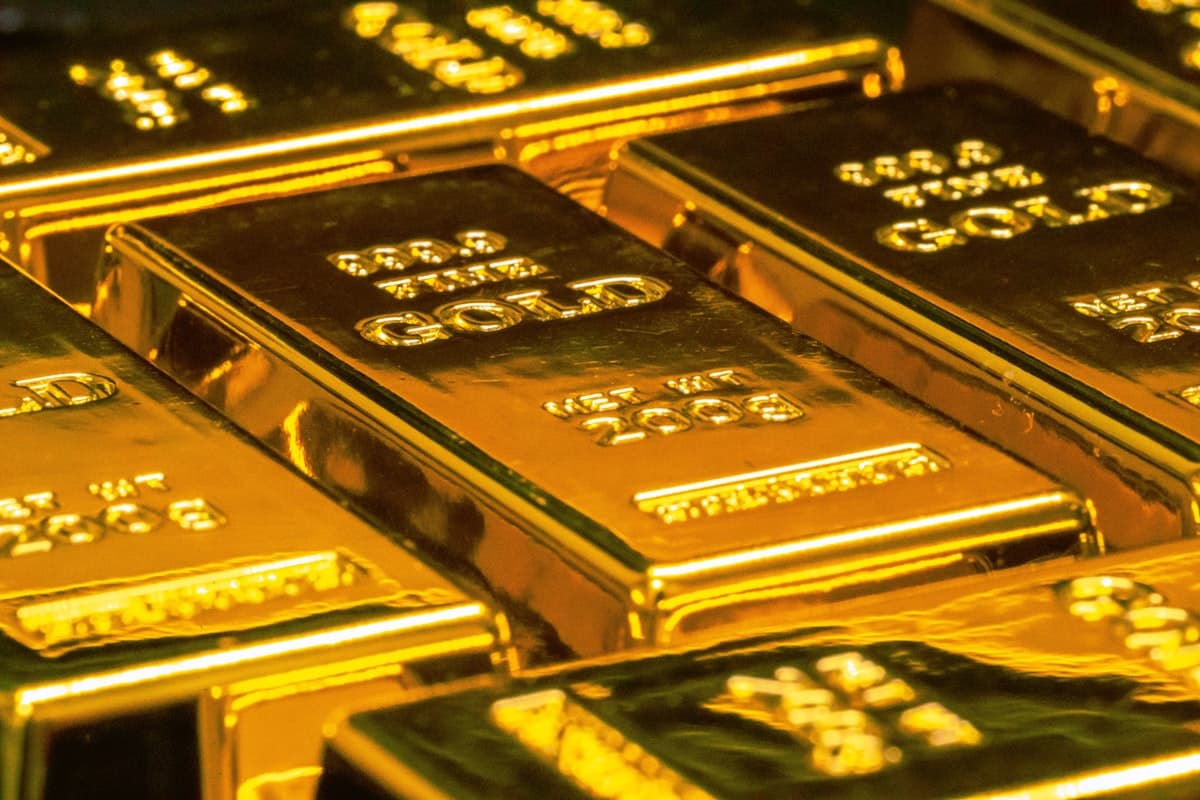
The Crypto Company Becoming a Gold Central Bank
My verdict is clear: what Tether is doing is one of the boldest and strangest financial moves of the past decade. The world's largest crypto company —creator of USDT, the stablecoin that moves over $100 billion daily— is buying physical gold at a rate of more than $1 billion per month.
And they're not storing it in just any bank vault. They keep it in a Swiss nuclear bunker, built during the Cold War, designed to survive an atomic attack.
When CEO Paolo Ardoino described the location, his words were: "It's a James Bond kind of place."
This isn't a metaphor. It's literal.
The Numbers That Defy Logic
Let's get straight to the data, because it's hard to believe:
| Metric | Amount |
|---|---|
| Total gold accumulated | 140 metric tonnes |
| Value in dollars | $24 billion |
| Weekly purchase rate | 1-2 tonnes |
| Monthly purchase rate | $1+ billion |
| Q4 2025 alone | 27 additional tonnes |
To put this in perspective: Tether bought more gold in 2025 than any central bank in the world except Poland. In Q3 2025, their purchases represented nearly 2% of global gold demand and approximately 12% of all central bank purchases.
They Already Surpass Entire Countries
The global gold reserves table now has a new player:
| Position | Country/Entity | Gold Tonnes |
|---|---|---|
| 1 | United States | 8,133 |
| 2 | Germany | 3,352 |
| ... | ... | ... |
| ~30 | Tether | 140 |
| 31 | Greece | ~115 |
| 32 | Qatar | ~103 |
| 33 | Australia | ~80 |
A cryptocurrency company has more gold reserves than Greece, Qatar, and Australia. Read that again.
The Bunker: A Cold War Fortress
Switzerland has a historical obsession with bunkers. In 1959, the Swiss voted to include civil protection in their Federal Constitution. In 1963, they legislated that all new buildings must include nuclear shelters.
The result: Switzerland has approximately 360,000 bunkers, enough to protect its 9 million inhabitants. The country established what experts call "the gold standard" in shelter design.
And now, one of those Cold War bunkers —located somewhere in the Swiss Alps— houses Tether's gold reserves.
Bunker Features
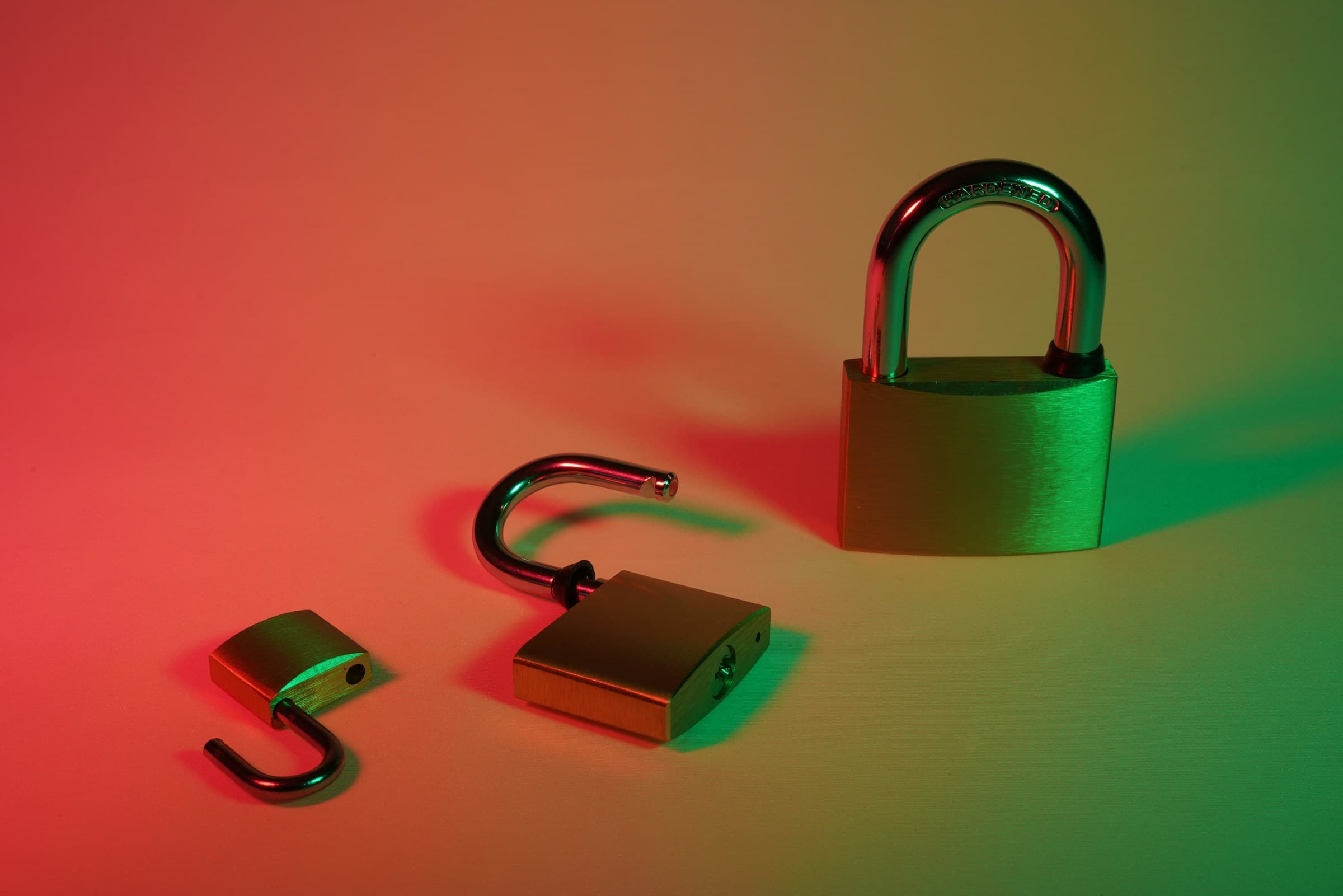
- Steel doors several inches thick
- Multiple security layers
- Designed to survive nuclear war
- Meets "London Good Delivery" standards for gold
- Extremely restricted access
This isn't new in the crypto world. Xapo, founded in 2013 by Wences Casares, used similar Swiss bunkers to store Bitcoin. Coinbase acquired those operations in 2019. But storing physical gold —not digital keys— is an unexpected twist.
XAUT: Tether's Tokenized Gold
All this physical gold backs a stablecoin called Tether Gold (XAUT). Here's how it works:
- 1 XAUT = 1 troy ounce of physical gold
- Gold is stored in Switzerland
- Available on Ethereum (ERC-20) and Tron (TRC-20)
- 100% verifiable backing
XAUT Numbers
| Metric | Value |
|---|---|
| Market Cap | $4 billion |
| Price per token | ~$5,167 |
| Tokens in circulation | 520,089 XAUT |
| Market share | 60% of gold-backed stablecoins |
The gold-backed stablecoin market grew from $1.3 billion in 2024 to over $4 billion in 2025 —a 207% increase—. And Tether controls more than half.
Why a Crypto Company Buys Physical Gold
This is the question everyone's asking. Why is the company behind USDT —a stablecoin backed by dollars and treasury bonds— stockpiling physical gold like they're preparing for the apocalypse?
Paolo Ardoino has been direct about it:
"We are preparing for a post-dollar world."
His argument has several layers:
1. No Counterparty Risk
Unlike bonds, stocks, or even bank deposits, physical gold doesn't depend on any institution keeping its promise. If you have the bar, you have the value.
2. Hedge Against Systemic Volatility
Gold has functioned as a safe haven for thousands of years. During financial crises, runaway inflation, or currency collapses, gold maintains value.
3. Monetary Independence
Gold isn't tied to any government's monetary policies. It doesn't matter what the Fed, ECB, or Bank of Japan does —gold is gold.
4. Response to Critics
Tether has faced years of questioning about whether they actually have the reserves they claim. Accumulating auditable physical gold is a way to demonstrate solvency.
Ardoino summarizes it this way:
"Gold is logically a safer asset than any national currency."
Paolo Ardoino: The Man Behind the Strategy
Understanding who Ardoino is helps understand this strategy.
| Data | Information |
|---|---|
| Birth | 1984, Italy |
| Education | Computer Science, University of Genoa |
| Current role | CEO of Tether + CTO of Bitfinex |
| Previous experience | Military project researcher (cryptography) |
Before entering the crypto world, Ardoino worked on an Italian military project focused on cryptography and distributed networks. That security experience seems to have shaped his vision.
His other recent investments:
- $1 billion in Northern Data (AI infrastructure)
- $200 million in Blackrock Neurotech (brain implants)
This isn't someone thinking short-term.
His Most Revealing Statements
On becoming a central bank:
"We are soon becoming basically one of the biggest, let's say, gold central banks in the world."
On the scale of operations:
"Through Tether Gold, we are operating at a scale that now places the Tether Gold Investment Fund alongside sovereign gold holders."
On XAUT's purpose:
"XAUT exists to remove ambiguity at a time when confidence in monetary systems is weakening."
The Impact on the Gold Market
Tether's purchases don't go unnoticed. The World Gold Council has taken note.
Gold hit all-time highs in January 2026: over $5,000 per ounce, with a 90% annual increase. And institutional purchases like Tether's are part of the equation.
Market Data
| Metric | Value |
|---|---|
| Gold price (January 2026) | $5,260 - $5,320/oz |
| All-time high | $5,589/oz (January 28) |
| Annual increase | +90% |
| Global gold market cap | $35 trillion |
For context: gold's market cap ($35 trillion) is now 9 times larger than Nvidia's, the world's most valuable company.
World Gold Council Response
The WGC announced a "digital gold" pilot for Q1 2026, aiming to transform London's physical gold market ($900 billion) into digital format. Pressure from companies like Tether is accelerating market modernization.
The Historical Precedent: When Crypto and Gold Cross Paths
This isn't the first time the crypto world has looked toward gold. But it is the first time a company of this scale has done so with this intensity.
Tokenized Gold Competitors
| Stablecoin | Issuer | Market Cap |
|---|---|---|
| XAUT | Tether | $4,000M |
| PAXG | Paxos | ~$500M |
| Others | Various | ~$200M |
Tether dominates with 60% market share. And it's growing.
What This Means for the Future
My verdict is clear: Tether is making a massive bet on the future of the global financial system. They're saying, with $24 billion in physical gold, that they believe:
- The dollar-based system is vulnerable
- Gold will remain relevant in a digitized world
- The combination of crypto + physical gold is the future
Possible Scenarios
If they're right:
- XAUT could become a global store of value
- Tether would have influence comparable to a central bank
- Tokenized gold could democratize access to the metal
If they're wrong:
- They have $24 billion in an asset that has maintained value for 5,000 years
- Not exactly a bad Plan B
Frequently Asked Questions
How much gold does Tether have exactly?
140 metric tonnes, valued at approximately $24 billion at current prices. This exceeds the reserves of countries like Greece, Qatar, and Australia.
Where is Tether's gold stored?
In a Swiss nuclear bunker built during the Cold War, located in the Swiss Alps. CEO Paolo Ardoino describes it as "a James Bond kind of place."
What is XAUT and how does it work?
Tether Gold (XAUT) is a stablecoin where 1 token equals 1 troy ounce of physical gold stored in Switzerland. It's available on the Ethereum and Tron networks.
Why is Tether buying so much gold?
According to their CEO, they're "preparing for a post-dollar world." They consider gold a safer asset than any national currency because it has no counterparty risk.
How much gold does Tether buy each month?
Between 1 and 2 tonnes per week, equivalent to over $1 billion monthly. In 2025, they bought more gold than any central bank in the world except Poland.
Conclusion: Nobody's Central Bank
What Tether is building is unprecedented: a private institution with gold reserves comparable to medium-sized countries, operating outside the traditional banking system, backing a globally accessible digital currency.
It may sound like science fiction. But those 140 tonnes of gold in that Swiss bunker are very real.
As Ardoino said:
"We are soon becoming basically one of the biggest, let's say, gold central banks in the world."
The difference is that this "central bank" doesn't answer to any government. Only to its users.
And that, depending on your perspective, is either the most exciting or the most terrifying thing about this story.